
Senate passes permitting overhaul 62-33 as 15 Democrats and nearly every Republican vote yes and the House fight begins
The Bipartisan American Affordability and Jobs Act now heads to a House where both parties are divided and the lame-duck calendar is crowded.
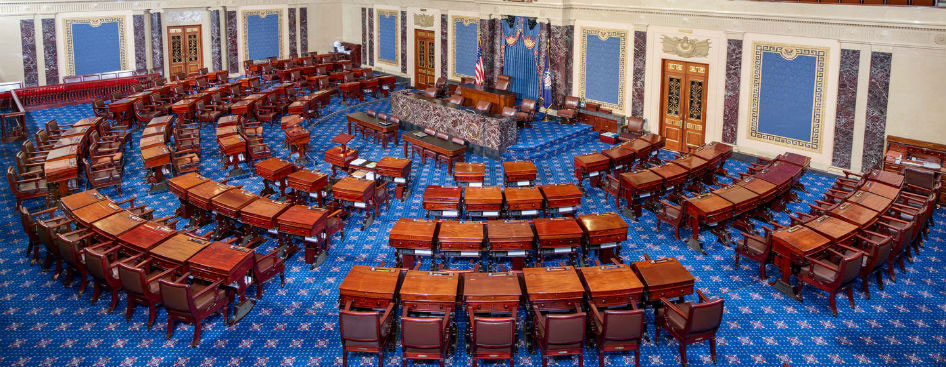
Reporting (CBS News, Nov. 19, 2026): CBS News reported that the Senate passed the Bipartisan American Affordability and Jobs Act, known as BAAJA, by a vote of 62 to 33 on Thursday. According to CBS, fifteen members of the Democratic caucus voted yes along with virtually all Republicans, while thirty-one Democrats voted no, largely over concerns that the bill would weaken environmental protections and lead to more fossil fuel projects. Republican Sens. Mike Rounds of South Dakota and Josh Hawley of Missouri also voted no. CBS reported that President Trump has expressed support for the deal, that Senate Majority Leader John Thune said "This bill is years in the making," and that Sen. Jeff Merkley, D-Ore., said he worries Trump will keep blocking wind projects. CBS also reported that the bill faces an uncertain future in the House, where some Republicans and some Democrats want changes. Source: "Senate passes bipartisan permitting reform bill designed to boost energy projects," CBS News, https://www.cbsnews.com/news/senate-bipartisan-permitting-reform-bill-energy-baaja-trump/ WTF Political Rant opinion: Notice how everybody suddenly owns a time machine. The people who wanted this bill call it historic and urgent, and the people who lost the vote say it should wait until January, when their party holds more cards. Neither argument is a principle. Both are calendar strategy. What is worth caring about is whether a bill that touches energy prices, the environment, state authority and tribal rights gets a serious look in the House instead of a lame-duck rubber stamp from either party. Bipartisan is a nice label, but it is not proof that a bill is good, and the senators who voted no, including Democrats who raised environmental and tribal-rights worries, deserve real answers rather than a victory lap. If this bill really lowers power costs, show Americans the math. Discussion question: Should a major energy and environmental law be pushed through in a lame-duck session, or should it wait for the new Congress, no matter which party gains leverage?